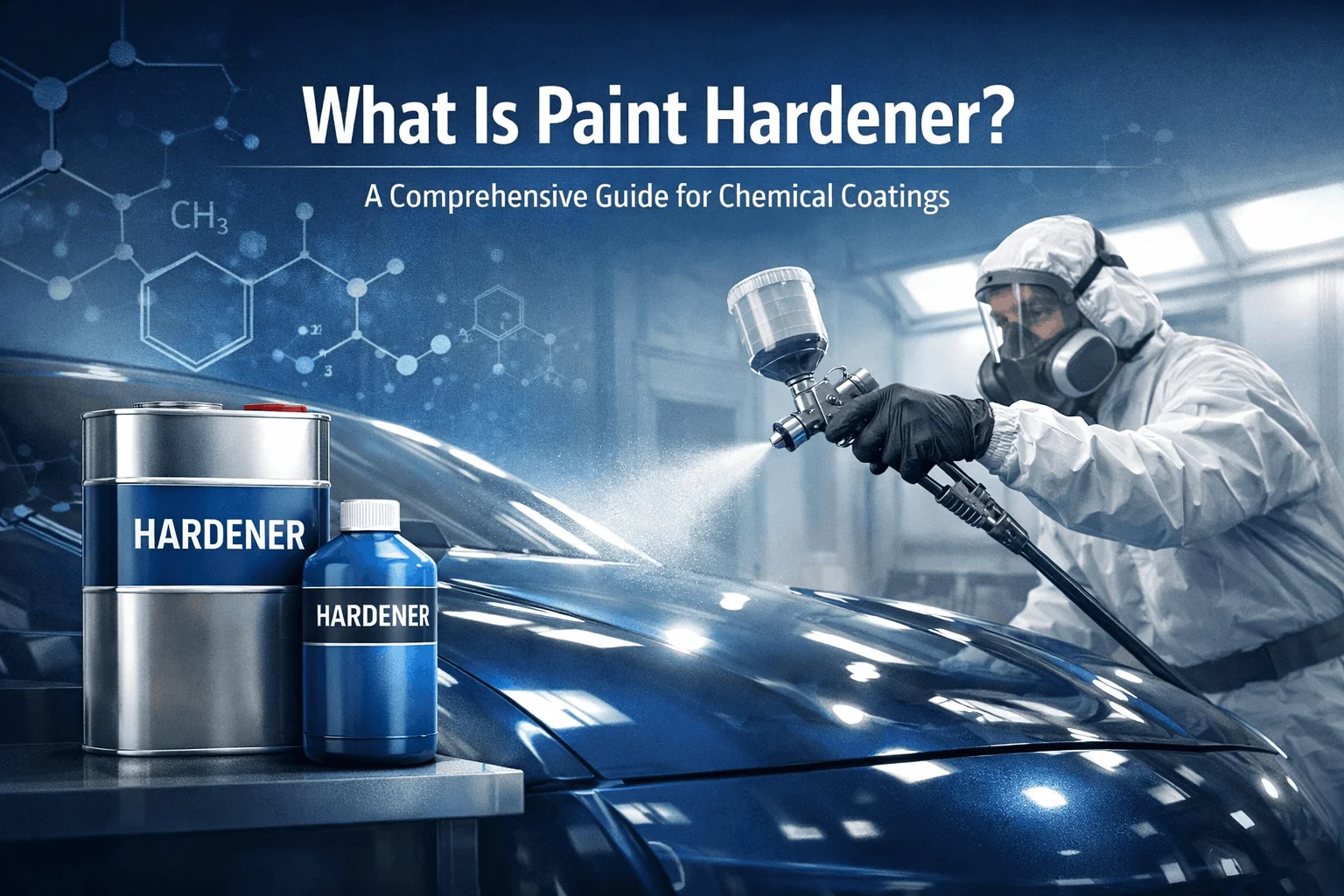
What Is Paint Hardener? A Comprehensive Guide for Chemical Coatings
Paint formulations that are used in industrial, automotive, and protective coatings are more than simply brush-on products. When you dig deeper into the high-performance systems, particularly multi-component coatings, you will encounter a crucial additive, which is called a paint hardener.
Understanding what paint hardener is and why it matters so much is important for professionals in coatings chemistry and applications.
A paint hardener is a chemical component that triggers or accelerates the curing process of certain paints. It is different from the single-component paints that dry primarily through solvent evaporation or physical processes; coatings that include a hardener undergo a chemical reaction known as polymerization. So, this chemical reaction helps to transform the liquid mix into a hard and solid film that offers better protection on surfaces.
The Role of Hardeners in Advanced Paint Systems
In two-component (2K) coating systems, the base paint (often a primer, topcoat, or clearcoat) must be combined with a hardener to initiate the curing reaction. Without this catalyst, many coatings would remain very stiff, sticky, or unusable for said applications. Here, the hardener interacts with reactive groups in the paint’s resin, forming a tightly cross-linked molecular network once cured.
So, what does a hardener do to paint in practical terms? The answer is that it transforms the paint from a liquid or semi-liquid material into a cohesive solid film via chemical bonding.
Why Paint Hardeners Matter in Industry?
-
Higher Durability: These hardeners help the coatings to develop high mechanical strength, which protects from wear, abrasion, and impact.
-
Better Chemical Resistance: Cured coatings are known to strongly withstand exposure to chemicals, solvents, and environmental agents that can damage the paint.
-
Superior Adhesion: The cross-linked structure that is created by the hardener helps the paint bond to diverse substrates, including metals and composites.
-
Good Final Finish: Controlled curing results in uniform film formation and minimizes softness.
Types of Hardeners and Their Selection
The choice of hardener depends on the desired performance and the conditions under which the coating is going to cure. Hardeners might vary in their reaction speed and chemical composition to suit different applications. They are ranked as per their drying speed from slow to ultra-fast.
Before any painting project, it is important to match the hardener not only with the paint system but also with the environmental conditions. You can check detailed information here: How to choose the right hardener
How Hardeners Affect Coating Performance
Once it is mixed, the chemical reaction between the paint and hardener begins almost immediately. This reaction polymerization, which not only sets the coating but also determines critical physical characteristics:
-
Mechanical Strength: Hardeners create a network of chemical bonds, turning liquid resin into a firm solid.
-
Chemical Stability: A fully cured coating resists solvents, acids, industrial pollutants, and other aggressive agents.
-
Thermal and Environmental Resistance: The increased cross-link density helps coatings to stand strongly against humidity fluctuations over time.
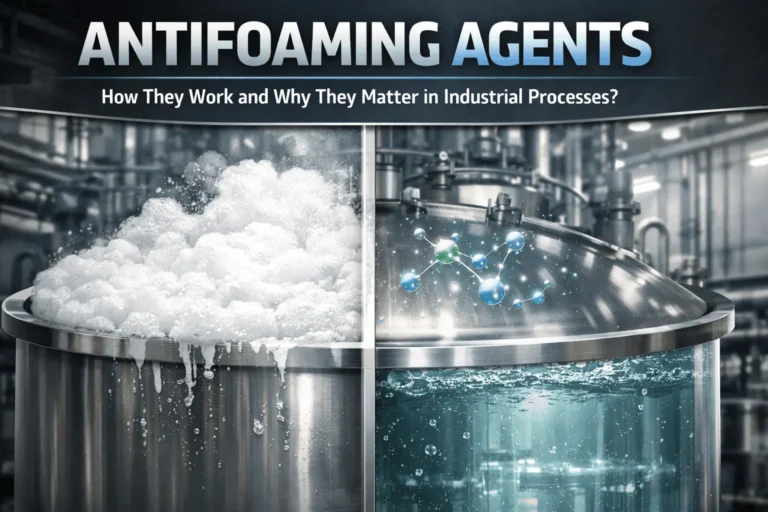
Also Read – How antifoaming agents work
Best Practices for Using Paint Hardeners
To maximize performance, professionals must follow a specific process when working with paint hardeners:
-
Follow the given manufacturer ratios: Technical data sheets mention exact mixing proportions. Not following this thoroughly from these can result in under-curing or brittleness.
-
Control Environmental Conditions: Temperature and humidity can truly affect the cure rates and coating quality. Therefore, plan the application to match optimal conditions.
-
Measure and Mix Carefully: Accurate measuring of the solutions and mixing them thoroughly ensures the hardener integrates properly with the base paint.
When you follow all these principles and understand the chemical role of hardeners, coating professionals can achieve durable, high-quality finishes that meet industry performance standards.
Conclusion
Paint hardeners are far more than optional additives; understand that they are important components in several advanced coating systems that fundamentally change how paint cures and performs. By initiating the polymerization process of creating a tightly cross-linked network within the coating, a hardener helps to elevate the physical as well as chemical properties of the final finish.