What Is Defoamer: A Complete Guide to Its Function, Uses, and Importance in Industry
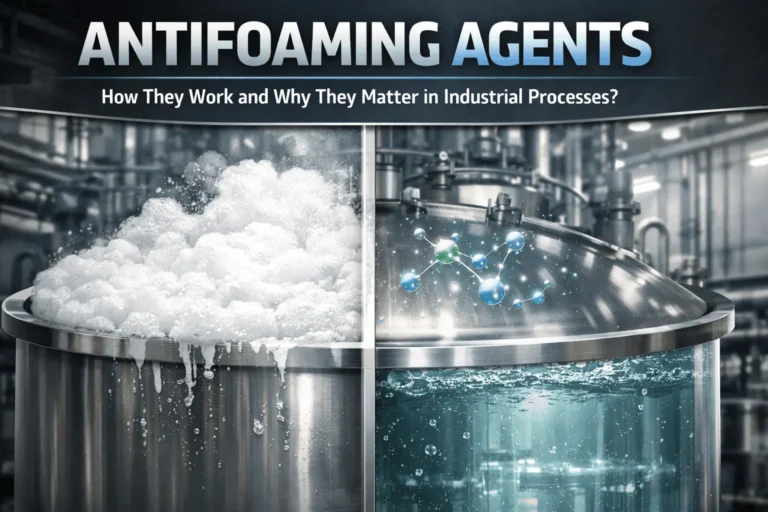
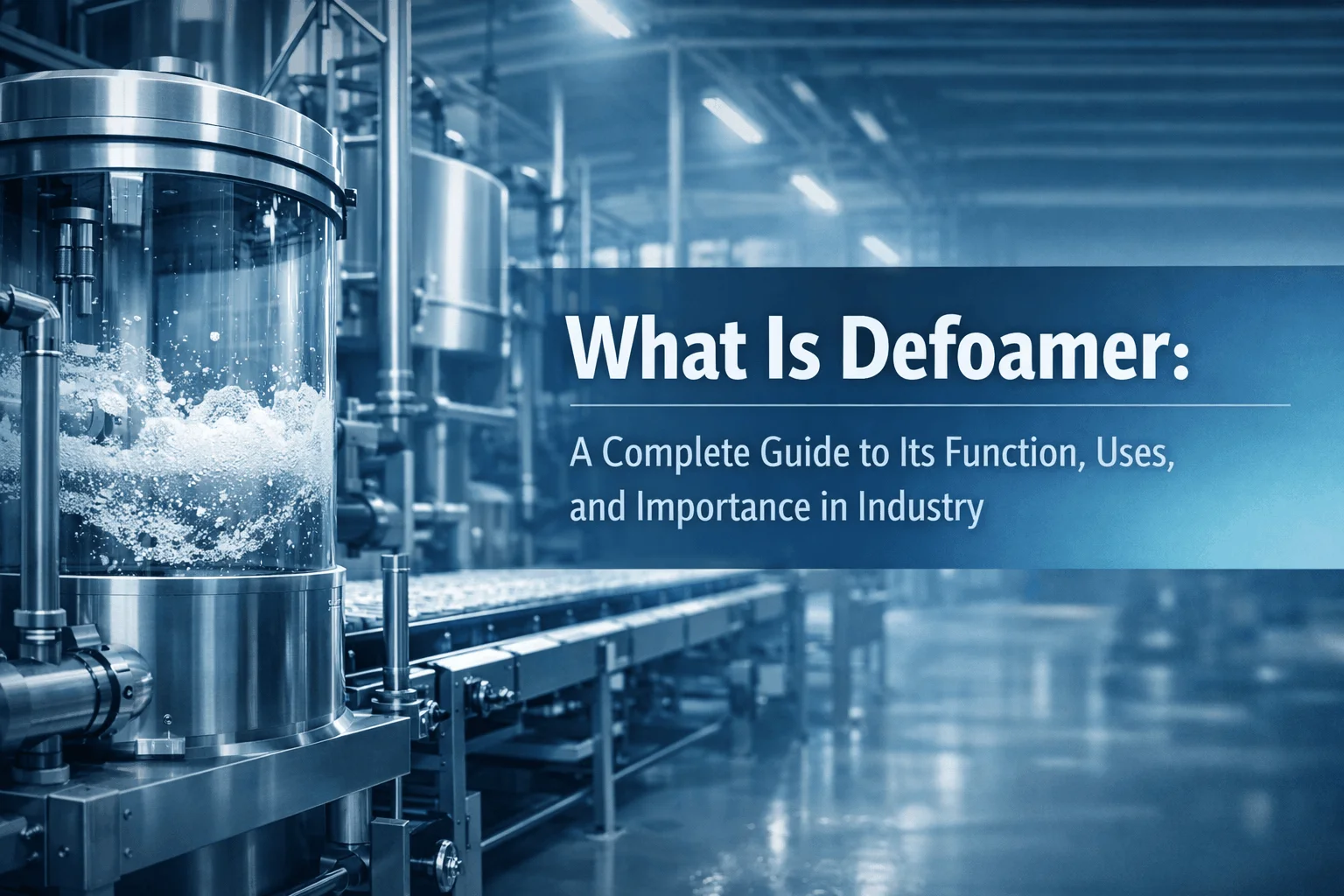
Foam is a common nuisance in several industrial and manufacturing processes, created when gas is trapped in liquids. While foam may look harmless, it can seriously cause bigger issues, such as reduced efficiency, equipment damage, compromised product quality, and increased production costs. That’s where defoamers come in.
Today, we’ll explain what defoamer is, how it works, its basic applications, and why it’s so crucial for industries that deal with foaming liquids.
Before knowing and understanding defoamers in detail, it is important to understand foam itself. Foam develops when surface tension stabilizes the bubbles in a liquid because of the surfactants present or agitation. These bubbles can rapidly grow and stay unless they are disrupted by force. In systems such as wastewater treatment, pulp & paper, paints, and chemical manufacturing, persistent foam can lead to serious hampering in operations.
What Is a Defoamer and What Are Its Uses?
A defoamer is a chemical that is made prevent and reduce foam formation in liquid systems. These chemicals are widely used across different industrial setups, including pharmaceuticals, food processing, textiles, oil and gas, coatings, and detergents.
How Does Defoamer Work?
It depends on the surface tension of the liquid films forming the bubbles. The Defoamers are formulated to spread rapidly on the surface of the foam and weaken the films holding bubbles together. Once the film thins, bubbles disappear. This process improves fluid flow, making sure there is efficient processing, and protects tools from damage due to excessive foam.
What are the Types of chemical defoamers?
There is a wide range of chemical defoamer formulations based on the application, the type of foam, and the industry’s requirements. Common defoamer types are:
Silicone-based defoamers :
These chemicals are very effective and commonly used in paper, paint, and wastewater treatment.
Oil-based defoamers :
These are also commonly used in industrial fluids, coolants, and metalworking.
Polymeric defoamers :
Such defoamers are tailored for specific systems where controlled foam reduction is needed.
Powder defoamers
Often used in dry applications like concrete or detergents.
Applications Across Industries
The big industries usually depend on defoamers to maintain consistent production. For example, in pulp and paper mills, foams can easily trap air that interferes with pulp quality. In food processing, uncontrollable foam can result in hygiene problems and product loss. When we talk about wastewater treatment, the foam that develops in this treatment water blocks oxygen supply, which leads to anaerobic microbial activity. You can explore our range of Antifoaming Agents that address specific foaming challenges.
Benefits of Using Defoamers
✔ Improved operational efficiency
✔ Better equipment performance
✔ Best product quality and appearance
✔ Cost savings by reducing downtime and maintenance
Final Thought!
Understanding what defoamer is and how it functions empowers industries to effectively manage foam, which seems like a small issue but has big repercussions if ignored. However, with the right defoaming chemistry and uses, manufacturing processes become smoother, safer, and highly productive.
Are You Ready to Solve Foam Problems in Your Processes?
Contact Panacea Chem Specialities LLP today for expert advice on selecting the right defoamer solutions as per your industry’s needs. Let’s keep your operations running foam-free and efficient!